Smoke odor lingering after fire
We treat the source, not the air. Hydroxyl generators, thermal fogging, and charcoal odor absorbers work on the cavities smoke reached, and we do not sign off until the home passes an odor clearance.
Smoke damage restoration in LA JOLLA, California starts with a thermal imaging scan and ends with clean air and a written clearance. We pull soot off walls, neutralize odor at the source, and dry the water firefighters left behind. If your kitchen, attic, or garage took smoke, call (833) 929-6186 and we will be on site the same day.
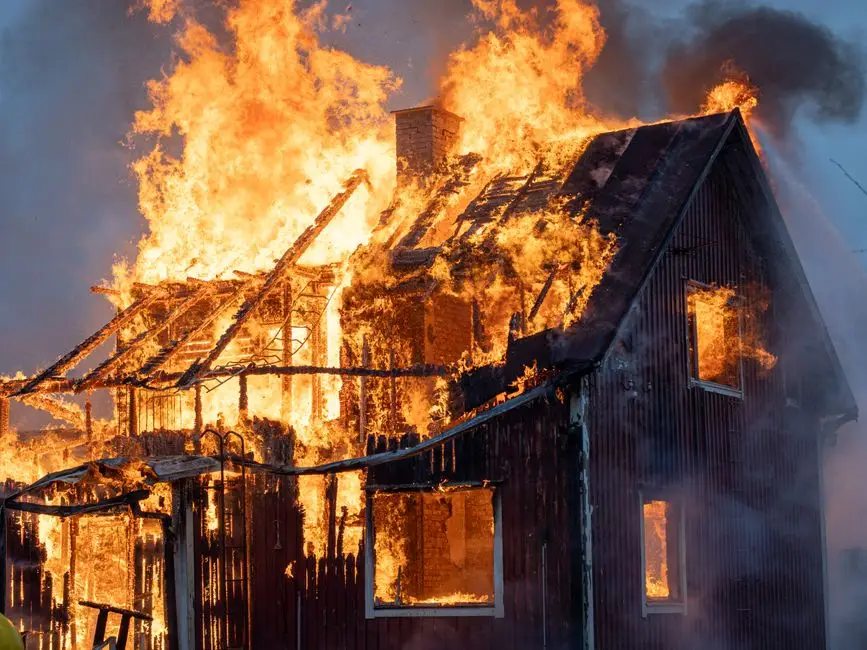
Smoke damage restoration in LA JOLLA, California is the process of removing soot, neutralizing odor, and cleaning or replacing every surface smoke has touched after a fire. It is not a wipe-down. Smoke travels through HVAC returns, settles into insulation, and etches glass and metal within hours. Our technicians use thermal imaging cameras and moisture meters to map where the residue and hidden water actually are before we touch a sponge.
In LA JOLLA, most smoke jobs we see start in the kitchen or at the electrical panel, and the coastal humidity makes it worse. Salt air and morning marine layer moisture bond soot to stucco and window frames, so a surface that looks clean can still smell like a campfire three weeks later. That is why LA JOLLA smoke remediation has to include HVAC cleaning and odor treatment, not just surface wiping. If you are searching for smoke damage restoration near me LA JOLLA California, we can inspect the same day you call.
Our standard smoke damage restoration scope covers inspection, water extraction, soot removal, odor treatment, and clearance documentation. Structural rebuild and content pack-out are separate scopes, and we tell you which is which before work starts so there are no surprises on the invoice.
A technician scans every affected room with a thermal imaging camera and moisture meter, photographs the readings, and maps where soot and hidden water sit. This is the document your adjuster will ask for, and it takes 45 to 90 minutes.
Firefighting leaves 20 to 60 gallons in a typical kitchen fire. We extract standing water and set industrial dehumidifiers and air movers until framing reads dry on the meter, usually 24 to 72 hours, which prevents mold from starting behind the drywall.
Technicians HEPA-vacuum ceilings and walls, dry-sponge the soot, and use a degreaser on kitchen residue. We clean the HVAC return and filter so loosened particles do not resettle on surfaces we already cleaned.
Hydroxyl generators run continuously, thermal fogging pushes deodorizer into wall cavities, and charcoal odor absorbers stay in closets for 48 hours. Ozone is used only in unoccupied spaces under a controlled cycle, never with people or pets inside.
You get final moisture readings, photo documentation, an Xactimate scope, and a written odor clearance. If anything still reads wet or smells within the first 30 days, we come back and re-treat at no charge.
You call (833) 929-6186 and we ask three questions: what burned, how big, and whether the power is safe. A technician arrives with a thermal imaging camera and moisture meter, walks the home with you, and photographs every affected room. This inspection takes 45 to 90 minutes.
If windows or doors were broken, we secure the openings first. Then we extract standing water from firefighting with truck-mount units and set industrial dehumidifiers and air movers. This stage usually runs 24 to 72 hours depending on how much water soaked into drywall and lumber.
Technicians HEPA-vacuum ceilings and walls, then dry-sponge the soot. Greasy residue gets a degreaser and controlled wipe. We pull the HVAC filter, clean the return, and run the air scrubber continuously so loosened particles do not resettle on clean surfaces. Most homes take 2 to 4 days.
We place hydroxyl generators and, when the home is unoccupied, an ozone generator for a controlled cycle. Thermal fogging pushes deodorizer into the same cavities the smoke reached. Charcoal odor absorbers stay in closets and cabinets for the final 48 hours. This is the stage that decides whether the job passes.
We re-scan with the thermal camera, take final moisture readings, and walk every room with you. You get the photo documentation, the Xactimate scope, and a written odor clearance. If anything still reads wet or smells, we come back at no charge until it is right.
Purpose-built equipment, used by trained technicians — so the job is done accurately the first time.
Finds hidden moisture and temperature differences behind walls so we know where water from firefighting soaked in and where smoke penetrated, before we open anything up.
Captures fine soot particles instead of pushing them into the air. We run it on ceilings, walls, and framing before any wet cleaning starts.
Filters airborne particles and keeps the work area under negative pressure so loosened soot does not resettle on surfaces we already cleaned.
Neutralizes odor molecules in occupied spaces. We run it continuously through the job, which is safer than ozone when people or pets are still in the home.
Used only in unoccupied spaces under a controlled cycle for heavy odor. We post the space, time the cycle, and air it out before anyone re-enters.
Dries the 20 to 60 gallons firefighting leaves behind. We run them until framing reads dry on the moisture meter, usually 24 to 72 hours.
Opens wet or charred drywall in controlled cuts so we can dry the cavity and treat the framing, instead of tearing out a whole wall that only needed a section removed.
A stovetop fire sent greasy smoke across the cabinets, ceiling, and range hood. The owner had wiped the walls twice, and the smell came back every time the stove heated up. The HVAC return was coated in residue.
We degreased the cabinets, HEPA-vacuumed the ceiling, cleaned the return and filter, and ran hydroxyl generators for 48 hours. The unit passed odor clearance in 4 days, and the owner kept the original cabinets.
An attic fire burned through insulation and roof decking and pushed smoke down through the ceiling. The framing was charred in two bays, and firefighting left water standing in the ceiling cavity.
We removed the contaminated insulation, HEPA-vacuumed the framing, dried the cavity to a dry moisture reading, and thermal-fogged the attic. The roofer closed it up on a dry structure, and the odor did not return.
An electrical fire charred the panel wall and sent acrid smoke through a 1940s cottage with original wood framing. The owner was worried the lead paint would complicate the cleanup.
We followed EPA Lead-Safe containment, removed the charred drywall and insulation, ran air scrubbers and thermal fogging, and documented the scope in Xactimate. The carrier approved it without a revision, and the home passed clearance in 5 days.
Smoke damage fails in predictable ways. These are the four problems we get called back for most often, and what happens if they are left alone.
Ask a pro →We treat the source, not the air. Hydroxyl generators, thermal fogging, and charcoal odor absorbers work on the cavities smoke reached, and we do not sign off until the home passes an odor clearance.
Dry soot sponges lift residue without smearing it, and HEPA vacuums capture the fine particles. On greasy kitchen smoke we switch to a degreaser and controlled wiping so the finish underneath survives.
We extract standing water on the first visit and set industrial dehumidifiers and air movers until the meter reads dry. Drying first protects the structural repair budget.
We pull the filter, clean the return, run air scrubbers and negative air machines during the job, and treat the ductwork so the HVAC stops re-contaminating clean surfaces.
Most smoke damage restoration jobs in LA JOLLA run $1,800 to $8,500 in 2026, with a small kitchen fire at the low end and a whole-home job with attic and HVAC damage at the high end. Square footage, how long the smoke sat, and whether drywall has to be replaced drive the number. We inspect first and give you a written scope before any work starts.
We do. Fire Damage Restoration La Jolla handles smoke remediation across La Jolla Village, Bird Rock, Windansea Beach, and the surrounding neighborhoods. Our technicians are IICRC FSRT and OCT certified, and we carry the equipment on the truck, including air scrubbers, hydroxyl generators, and thermal foggers. Call (833) 929-6186 and we will confirm a same-day window.
Yes, in most cases. If the drywall is structurally sound and the soot is surface-level, dry sponges, HEPA vacuuming, and an encapsulant sealer will seal the residue and stop odor. Drywall comes out when it is wet from firefighting, charred, or when smoke has penetrated the paper facing. We test with a moisture meter and make the call per wall, not per room.
Most homeowner policies cover smoke remediation as part of a fire claim, including soot removal, odor treatment, and water drying. Coverage depends on your deductible and policy limits. We document the loss in Xactimate with photos and moisture readings, which is the format carriers expect, and we can talk directly with your adjuster to keep the claim moving.
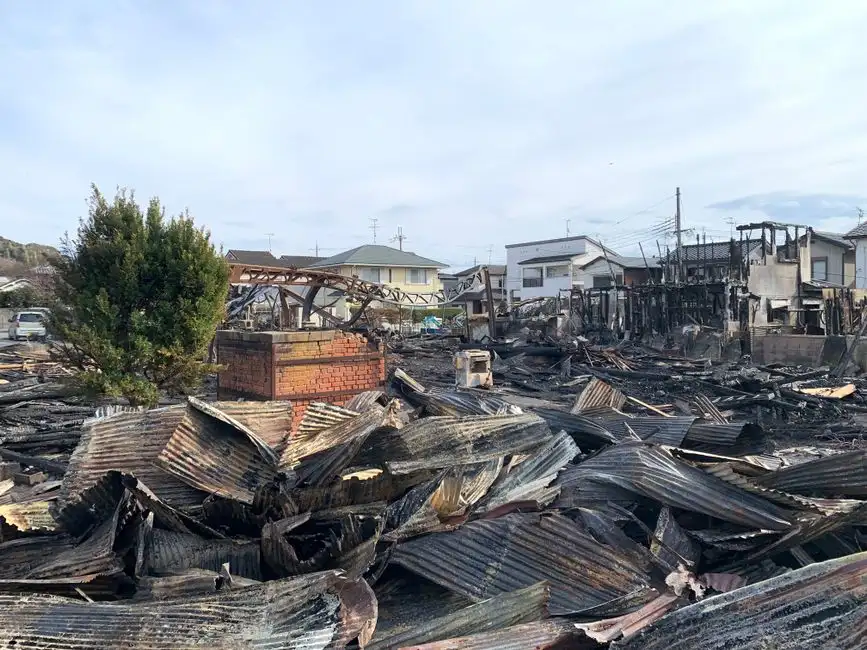 Fire Damage Clean UpSmoke rarely comes alone. Our fire damage clean up crews remove charred debris, ash, and contaminated insulation before smoke remediation begins, so the soot we clean off your walls does not get re-contaminated by the room next door.Explore →Emergency Fire Damage RestorationWhen the fire is out and the house is open, our emergency crews board up, tarp the roof, and start extraction the same day. That first 24 hours is when smoke damage restoration in LA JOLLA either stays a cleaning job or becomes a rebuild.Explore →
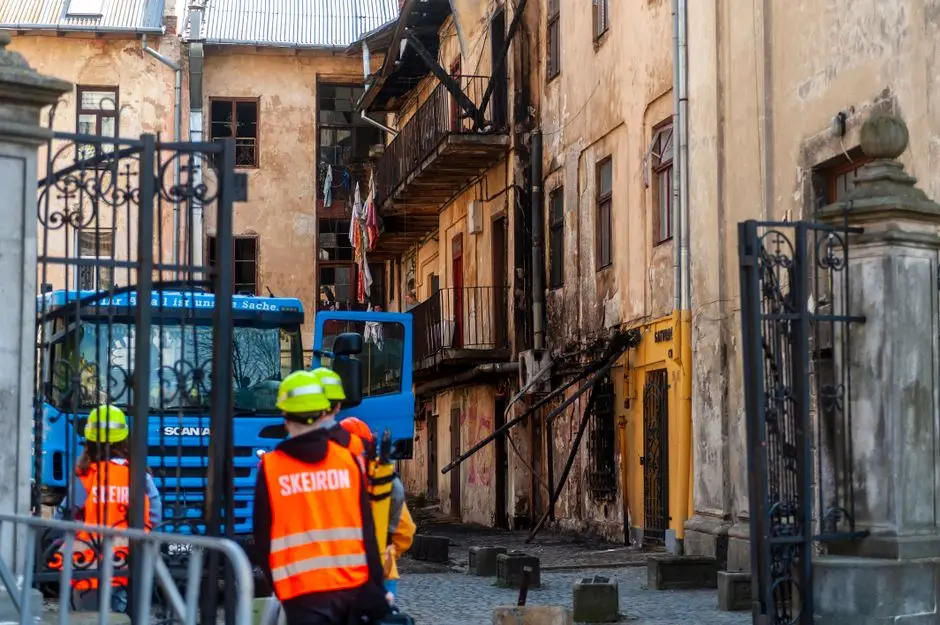 Structural Repair After FireCharred framing, melted wiring, and fire-damaged roofing get rebuilt by our licensed crews under California CSLB B-General Building. We handle the smoke damage restoration first, then hand off to the same team for structural repair so you are not managing two contractors.Explore →
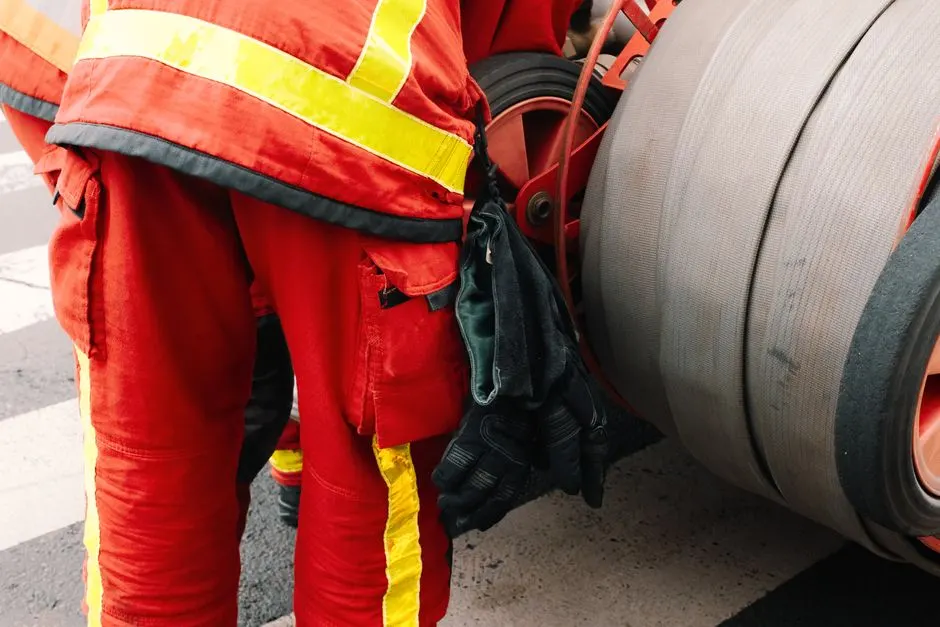 Odor Removal After FireOdor is the last thing to leave and the first thing a homeowner notices. Our odor removal after fire service uses hydroxyl generators, thermal fogging, and charcoal odor absorbers to treat the cavities smoke reached, not just the air in the room.Explore →
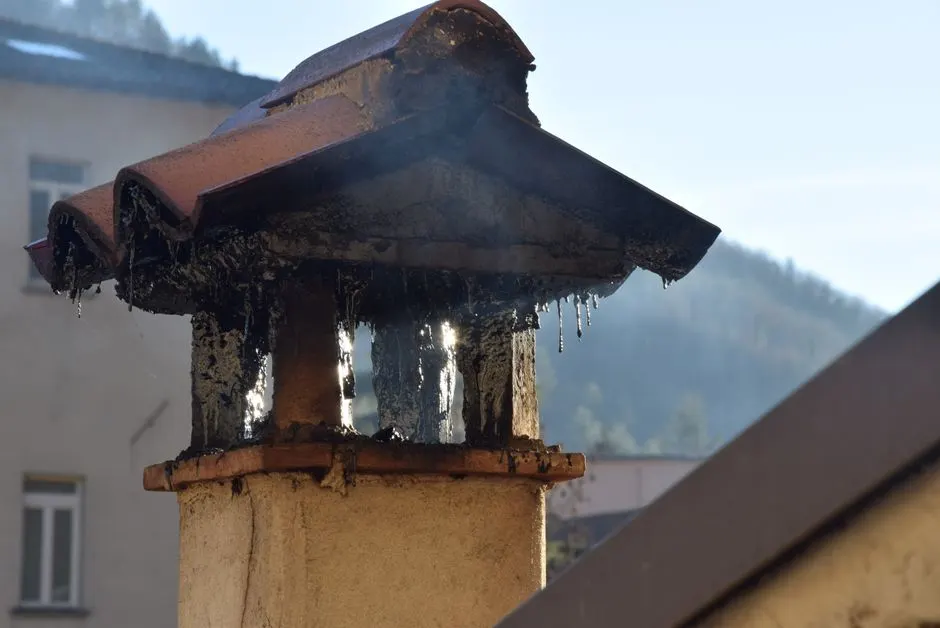 Soot RemovalSoot is acidic and etches glass, metal, and finished wood within 48 hours. Our soot removal technicians use dry soot sponges, HEPA vacuums, and degreasers matched to the residue type, which protects the finishes you would otherwise have to replace.Explore →
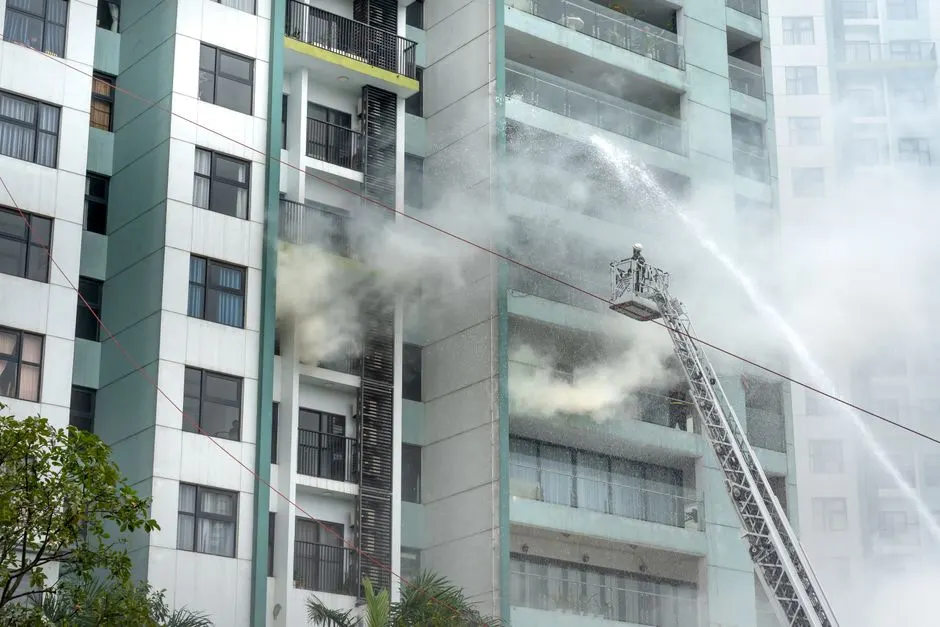 Smoke RemediationSmoke remediation is the odor and residue side of the job, and it is where most fire losses get called back. We run air scrubbers, negative air machines, and hydroxyl generators until the home passes an odor clearance, and we put that clearance in writing.Explore →
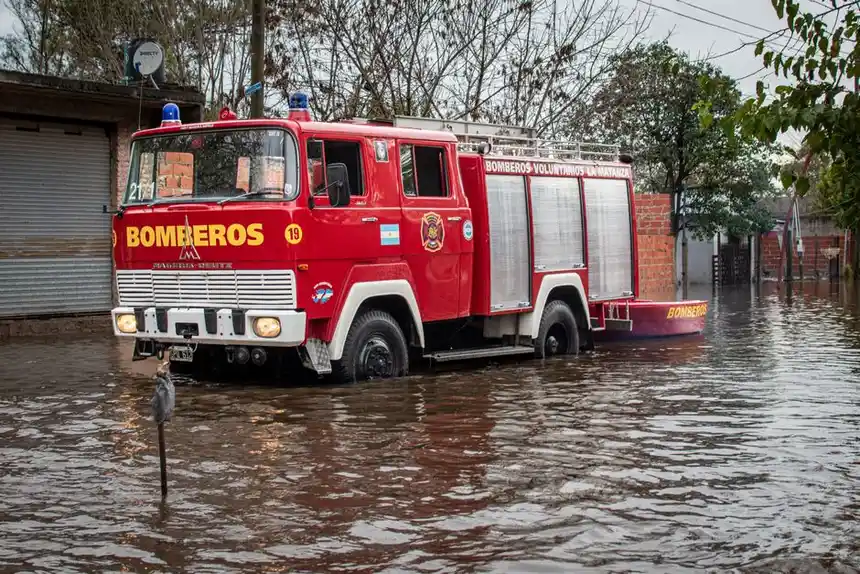 Fire and Flood RestorationFirefighting leaves 20 to 60 gallons of water in a typical kitchen fire. Our fire and flood restoration crews dry the structure with industrial dehumidifiers and air movers before mold can start, which protects the smoke damage restoration work that follows.Explore →
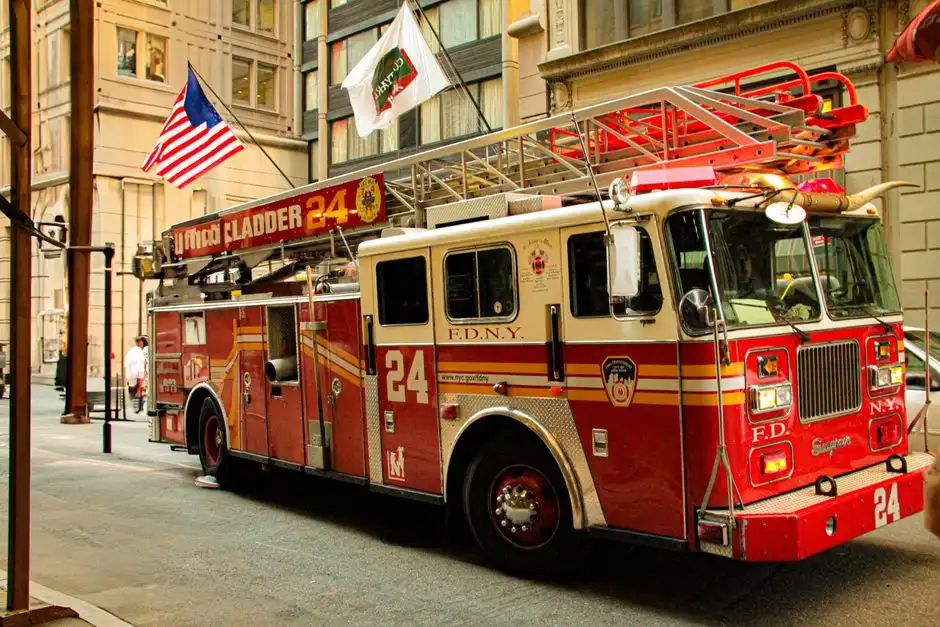 24 hour Fire RestorationWe answer the phone at any hour and dispatch same-day. Our 24 hour fire restoration line is staffed by a live dispatcher, so a 2 a.m. call after a kitchen fire gets a technician on the way with extraction and air scrubbing equipment, not a voicemail.Explore →
Soot etches glass and metal within 48 hours, and odor gets harder to remove every day it sits. Call (833) 929-6186 for same-day smoke damage restoration in LA JOLLA, California. We inspect, scope, and start work the same day, and we put the odor clearance in writing.
Call Now (833) 929-6186 →Call (833) 929-6186 any hour for emergency fire damage restoration in LA JOLLA. We answer 24/7, dispatch same-day for board-up and water extraction, and schedule inspections within one business day for non-emergency scopes. Leave a message after hours and we call back within 30 minutes.