Smoke odor lingering weeks after the fire
We treat the source with thermal fogging, hydroxyl generators, and charcoal absorbers. Cavities get treated, not just the visible rooms, so the odor does not return when the weather changes.
Fire damage clean up in LA JOLLA, California starts with a fast, methodical crew that removes soot, neutralizes smoke odor, and stops secondary damage before it spreads. Whether you had a kitchen fire in the Village or an attic fire near Mount Soledad, our fire cleanup in LA JOLLA gets your home safe and livable again. We handle the mess, the insurance documentation, and the details most homeowners miss.
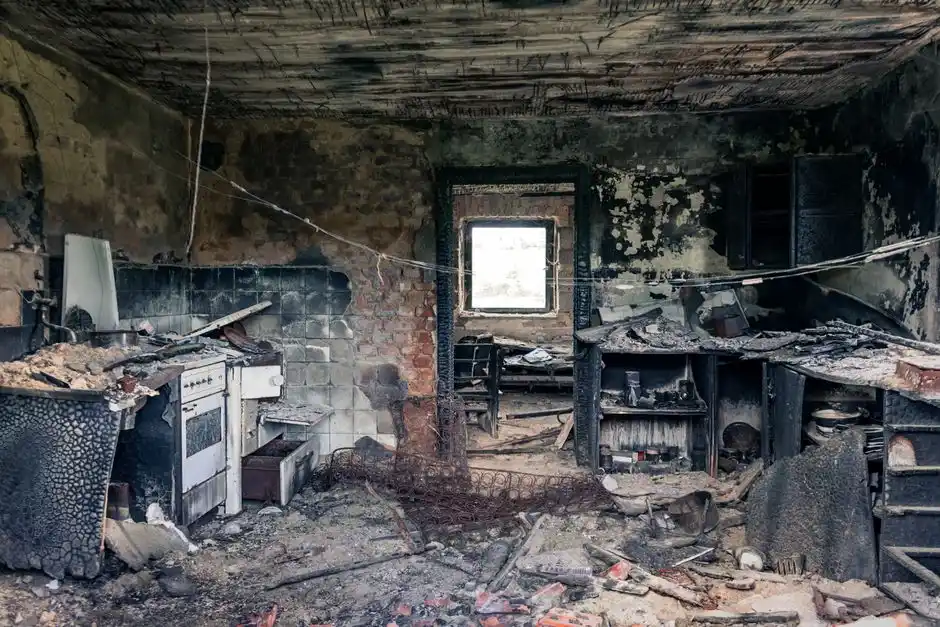
Fire damage clean up in LA JOLLA, California is the physical work of removing soot, ash, charred debris, and smoke residue from a structure after a fire is out. It covers surfaces, cavities, and ductwork, not just what you can see. We start with a room-by-room assessment using a thermal imaging camera and moisture meter, because firefighting water often does more hidden damage than the flames. Then we HEPA-vacuum, scrub, and seal.
La Jolla homes present specific challenges. Older properties near Windansea Beach and Bird Rock often have original lumber and plaster that hold smoke odor far longer than modern drywall. Marine air pushes that odor into closets and crawlspaces. If you search for fire damage clean up near me LA JOLLA California after a fire, you need a crew that understands coastal building stock, not a franchise reading from a script.
Our standard fire damage clean up in LA JOLLA, California covers the structure, the air, and the documentation. Contents cleaning, furniture restoration, and full rebuild are available as add-ons depending on what survived and what your policy covers.
We bag and haul charred materials, damaged drywall, and unsalvageable contents. Debris is sorted for disposal and recycling per California requirements, and every load is documented for your claim.
Walls, ceilings, trim, and fixtures are HEPA-vacuumed, wiped with soot sponges, and degreased where protein residue is present. We clean to the edge of the smoke line, not just the room that burned.
Firefighting water is extracted and the structure is dried with industrial dehumidifiers and air movers. We monitor moisture daily and do not close the job until framing reads dry.
Air scrubbers, hydroxyl generators, thermal fogging, and charcoal absorbers work together to remove odor from the air and the materials. We treat cavities, HVAC, and contents, not just the visible surfaces.
Ash infiltration in the HVAC system spreads smoke every time the system runs. We clean the ducts and treat the air handler before the system goes back into service.
Encapsulant sealer goes on framing and subfloor where smoke penetrated. You receive a photo set, moisture log, and completion report formatted for your insurance adjuster.
We arrive, secure the property if needed, and walk every room with a thermal imaging camera and moisture meter. You get a written scope the same day, with photos of each affected area. This usually takes 60 to 90 minutes.
Crews bag charred debris, remove unsalvageable materials with pry bars and drywall saws, and HEPA-vacuum every surface. Soot sponges handle walls and ceilings; degreaser cuts the protein film that kitchen fires leave behind.
If firefighting water is present, we extract it and set industrial dehumidifiers and air movers. We monitor with moisture meters daily until framing reads dry, typically 3 to 5 days for a single-family home.
We run air scrubbers with HEPA filtration and hydroxyl generators or ozone generators depending on occupancy. Thermal fogger solution reaches cavities that wiping cannot. Charcoal odor absorbers stay in closets and cabinets for the final phase.
We apply encapsulant sealer to framing and subfloor where smoke penetrated, then walk the job with you room by room. You get a completion report and photo set for your insurer before we pull off site.
Purpose-built equipment, used by trained technicians — so the job is done accurately the first time.
Finds hot spots, hidden moisture, and smoke migration paths inside walls and ceilings before we open anything up.
Reads framing and drywall moisture daily during drying. We do not close a job until the readings match dry standard.
Captures fine ash and soot particles that a shop vac pushes back into the air. Air scrubbers run continuously during cleaning.
Hydroxyl generators run in occupied spaces; ozone generators handle unoccupied units. Both break down odor molecules at the source.
Dri-Eaz and Phoenix Restoration Equipment units pull moisture from framing and move air through cavities to speed drying.
Pushes thermal fogger solution into cavities, closets, and ductwork where wiping cannot reach. Standard step for stubborn smoke odor.
Dry soot sponges lift residue from walls and ceilings; degreaser cuts the protein film that kitchen fires leave on cabinets and hoods.
A grease fire scorched the cabinets and hood and left a protein film across 1,400 square feet. The homeowner had wiped the walls twice, but the odor returned every time the heater ran.
We degreased every surface, HEPA-vacuumed the ductwork, and ran hydroxyl generators for 72 hours. Post-treatment air testing showed no detectable smoke odor, and the cabinets were saved rather than replaced.
An electrical fire charred three rafters and filled the insulation with smoke. The homeowner was told the whole attic needed to be gutted, and the insurance scope was stalled.
We removed the charred insulation, HEPA-vacuumed the framing, fogged the cavity, and sealed the wood with encapsulant. The scope was accepted in 6 days, and the rebuild started without a second inspection.
A bedroom fire in one unit sent smoke through the shared walls into two neighboring units. The landlord and two tenants were each filing separate claims with different insurers.
We scoped all three units separately, documented the smoke path with thermal imaging, and provided three distinct Xactimate reports. All three claims were approved within 10 days, and the building was re-occupied in 8.
Most fire losses are not about the flames. They are about what happens in the days after: odor, corrosion, mold, and insurance disputes. Here is what we fix, and why it matters if you are searching for affordable fire damage cleanup LA JOLLA California.
Ask a pro →We treat the source with thermal fogging, hydroxyl generators, and charcoal absorbers. Cavities get treated, not just the visible rooms, so the odor does not return when the weather changes.
We start soot removal the same day we assess, using soot sponges and HEPA vacuums. We document as we clean so your adjuster sees the original condition in photos.
We extract standing water, set industrial dehumidifiers and air movers, and monitor with moisture meters daily. Drying typically takes 3 to 5 days, and we do not close until the readings are dry.
We clean the ducts and air handler, then run air scrubbers with HEPA filtration until the air is clear. The system goes back into service only after the ductwork is verified clean.
Most residential fire damage clean up in LA JOLLA, California runs $3,200 to $12,500 in 2026, depending on square footage and how far smoke traveled. A single-room kitchen fire with no structural damage often lands near the low end. Whole-house jobs with attic involvement and water extraction push toward the top. We provide a written scope before work begins so you can compare it against your insurance estimate.
Fire Damage Restoration La Jolla handles fire cleanup across La Jolla Village, Bird Rock, Windansea Beach, La Jolla Shores, and Mount Soledad. We are licensed, insured, and IICRC certified, and we respond 24/7. Call (833) 929-6186 and a local crew, not a call center, will schedule your assessment.
Fire damage cleanup in LA JOLLA, California includes debris removal, soot and ash cleaning, water extraction from firefighting, structural drying, odor treatment with hydroxyl or ozone, HVAC cleaning, and final sealing of smoke-affected framing. We also document everything for your insurance claim. Contents cleaning and furniture restoration are available as add-ons depending on what survived.
Yes, most homeowner policies cover fire damage clean up in LA JOLLA, California, including debris removal, drying, and odor treatment, up to your policy limits. We work directly with adjusters, provide Xactimate scopes, and photograph every affected surface. You pay your deductible; your carrier handles the rest. We recommend calling your insurer the same day you call us.
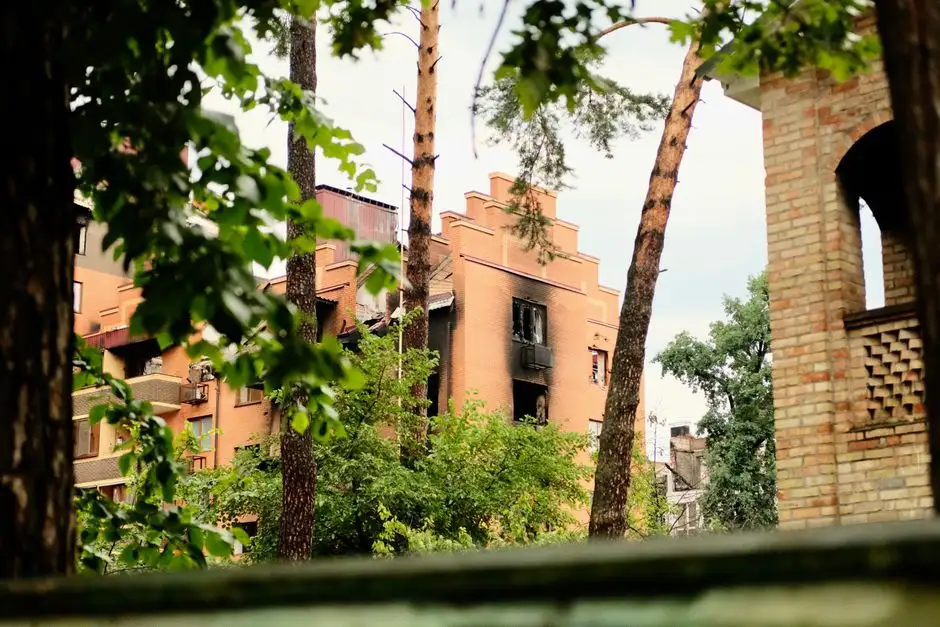 Smoke Damage RestorationSmoke travels farther than flames. We treat walls, ceilings, and cavities with air scrubbers and hydroxyl generators to remove the residue that causes lingering odor in La Jolla homes.Explore →
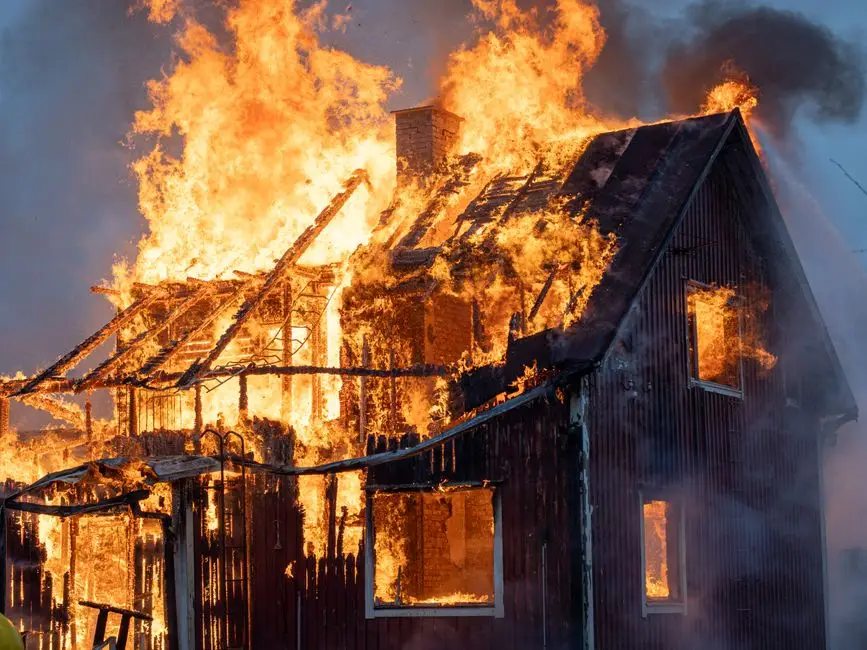 Emergency Fire Damage RestorationBoard-up, tarp-over, and water extraction within hours of the fire. Our 24/7 crew secures your La Jolla property before weather or theft makes a bad situation worse.Explore →
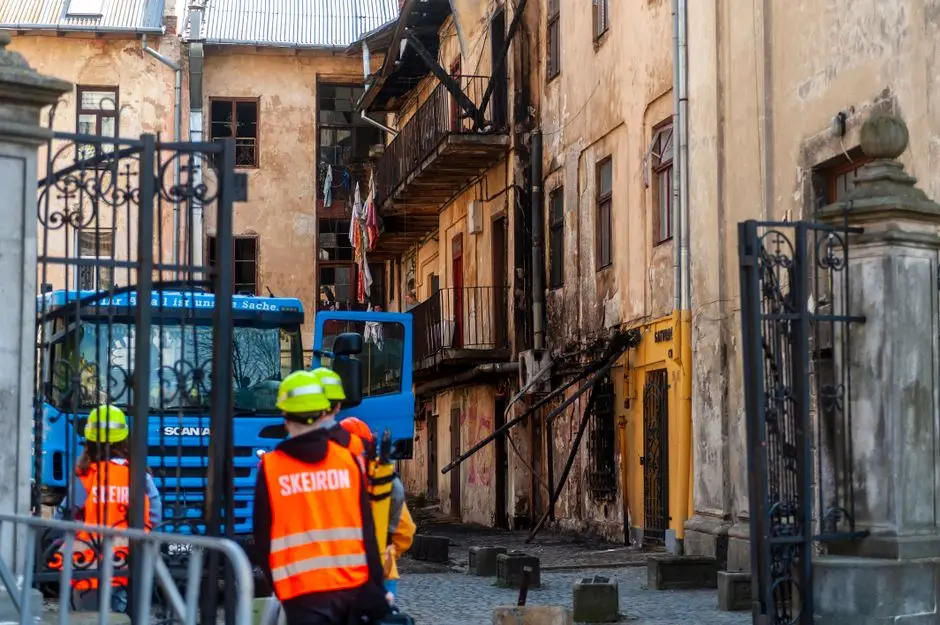 Structural Repair After FireOnce cleanup is done, charred framing, damaged drywall, and compromised roofing need repair. We handle the rebuild under our CSLB B-General Building license so you are not juggling two contractors.Explore →
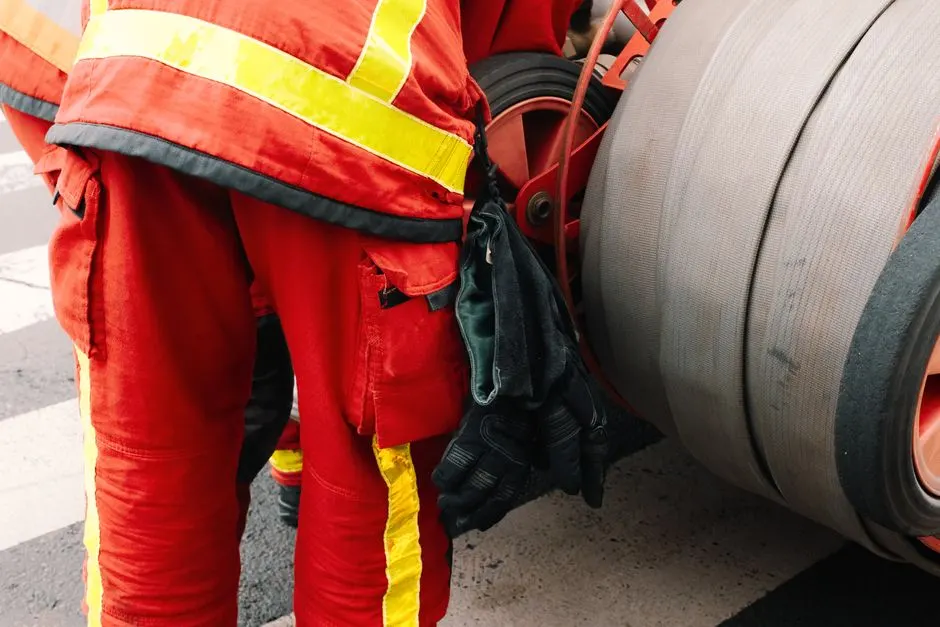 Odor Removal After FireSmoke odor lingering after fire is the number one complaint we hear. Thermal fogging, ozone, and charcoal absorbers reach the cavities that surface cleaning misses.Explore →
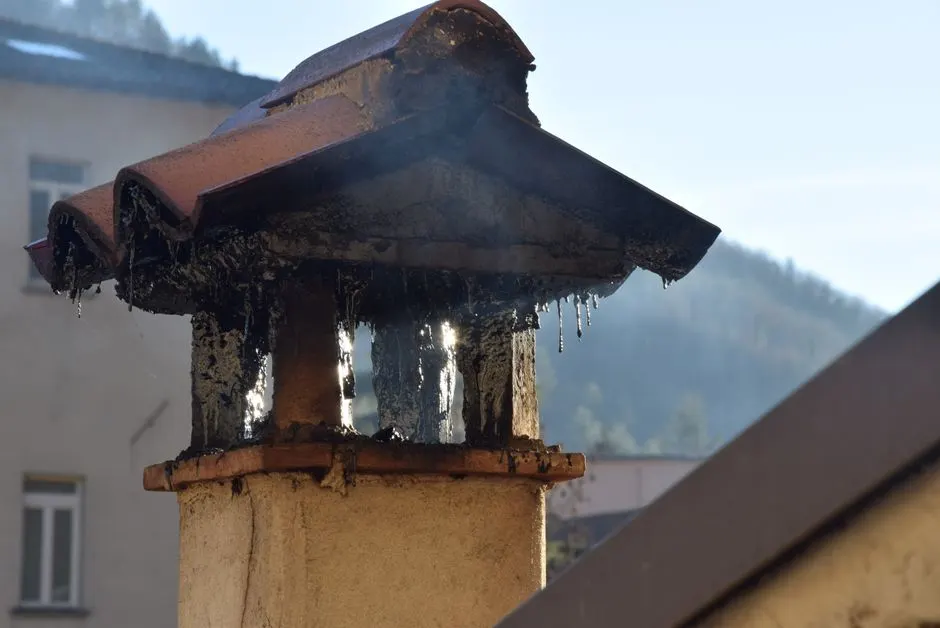 Soot RemovalSoot is acidic and bonds fast. We use soot sponges, HEPA vacuums, and degreaser to remove it from walls, ceilings, and contents before it etches the surface permanently.Explore →
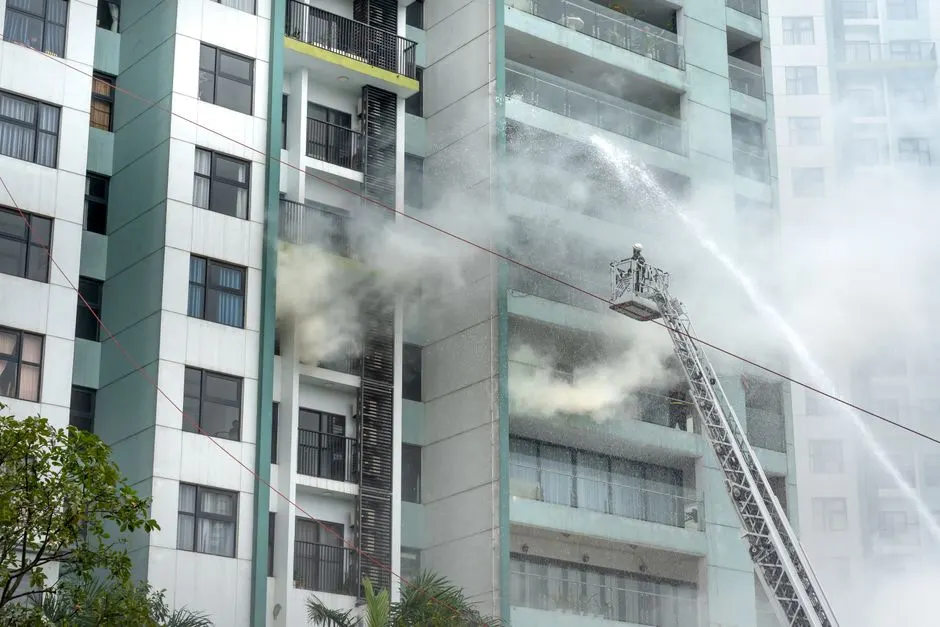 Smoke RemediationFull-scope smoke remediation for homes where the fire was small but the smoke spread through HVAC and wall cavities. We clean the ducts and seal the framing.Explore →
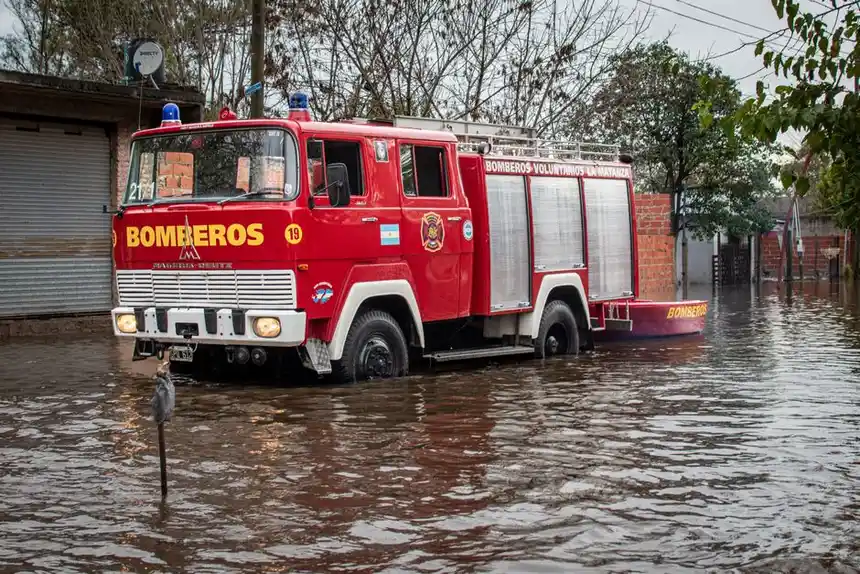 Fire and Flood RestorationFires are usually put out with water. We extract, dry, and treat for mold growth after fire suppression, so you do not trade a fire loss for a mold claim.Explore →
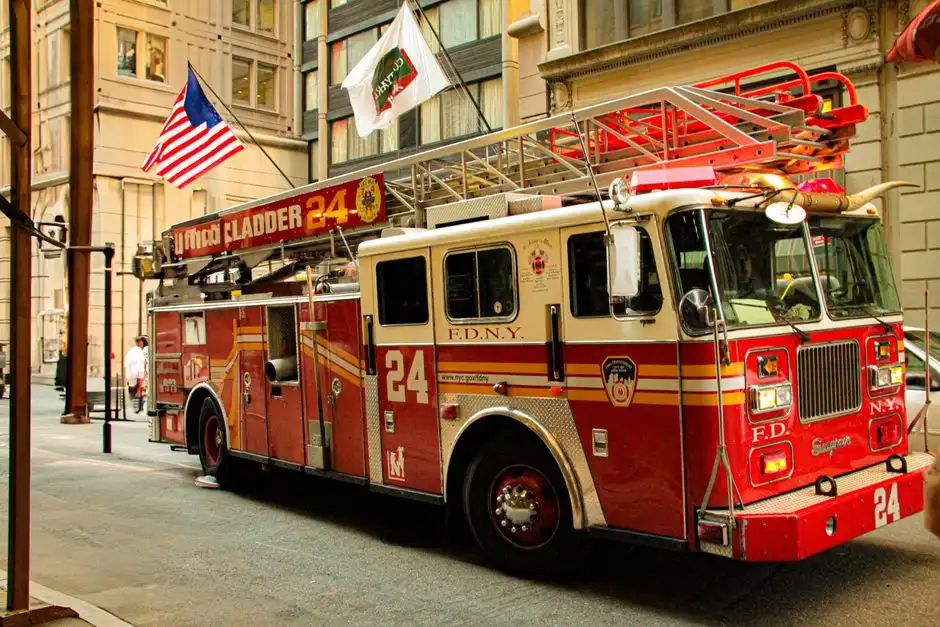 24 hour Fire RestorationWe answer the phone at 2 a.m. and dispatch a crew. Same-day assessment, same-day board-up, and a written scope before the sun comes up.Explore →
Soot and smoke do not wait, and neither should you. Call (833) 929-6186 for fire damage clean up in LA JOLLA, California. We answer 24/7, dispatch a local crew, and provide a written scope before work begins. Licensed, insured, and IICRC certified.
Call Now (833) 929-6186 →Call (833) 929-6186 any hour for emergency fire damage restoration in LA JOLLA. We answer 24/7, dispatch same-day for board-up and water extraction, and schedule inspections within one business day for non-emergency scopes. Leave a message after hours and we call back within 30 minutes.