24/7 emergency response for fire and water damage across La Jolla

Fire and flood restoration in LA JOLLA, California, done right

When a kitchen fire soaks your ceilings with suppression water or a burst supply line chars out a wall, fire and flood restoration in LA JOLLA, California, has to start fast. We handle both losses on one job: soot and smoke cleanup, extraction, structural drying, and code-correct rebuild. Our crews roll 24/7 across La Jolla and the surrounding neighborhoods, and we document everything for your insurance claim from the first hour on site.

↗
Fast online booking

Request service today

Tell us what is happening. Our local team will confirm your visit shortly.

No spam. No obligation. Just practical help.
Thanks — we'll call shortly to confirm your visit.
Fire Damage Restoration La Jolla — Fire Damage Restoration you can rely on
Careful work. Honest options.
About this service

What fire and flood restoration in LA JOLLA, California, actually involves

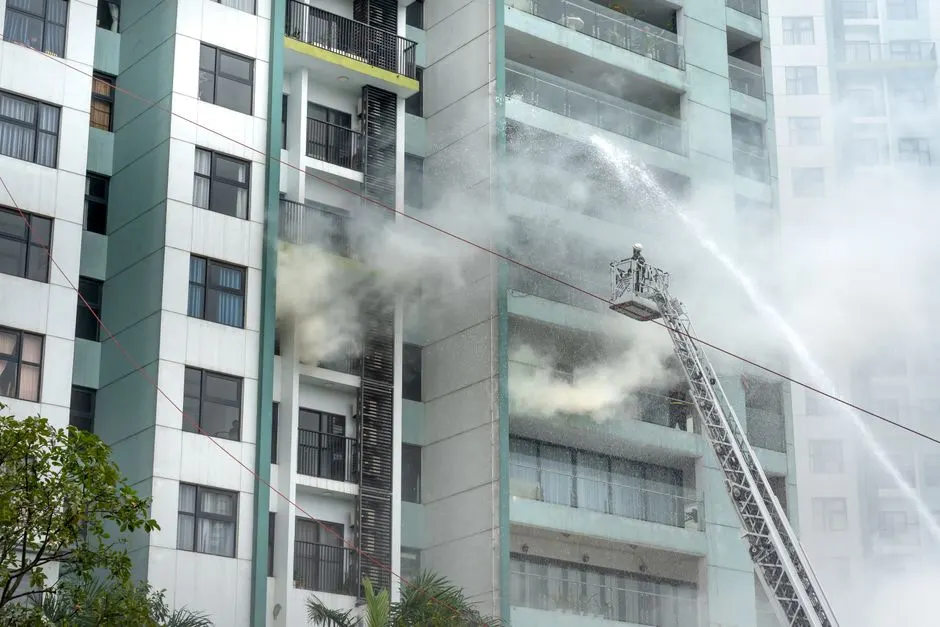
Fire and flood restoration in LA JOLLA, California, is the combined cleanup, drying and rebuild of a property hit by fire, smoke and the water used to put it out. The two losses fight each other: heat drives smoke into wall cavities and HVAC ducts, then suppression water soaks the same framing and insulation. We map the damage with a thermal imaging camera and moisture meter, extract standing water, set industrial dehumidifiers and air movers, then remove charred drywall, soot-loaded insulation and any lumber that will not pass a moisture check.

Most La Jolla calls we take are not total losses. They are kitchen fires with a soaked subfloor, attic fires where water ran down through the ceiling, and electrical fires that left melted wiring behind the drywall. Left alone for 48 to 72 hours, that moisture grows mold and the smoke odor sets into plaster and upholstery. That is why we treat fire and water damage restoration in LA JOLLA as one scope, not two separate contractors arguing over who dries what.

  • ✓ One scope, one invoice
  • ✓ Drying starts same day
  • ✓ Odor killed at the source
  • ✓ Insurance-ready documentation
What's included

What fire and flood restoration in LA JOLLA includes

Every job starts with an inspection and a written scope, and the inclusions below are what most La Jolla fire and water losses need. If your property needs something outside this list, we tell you before work starts, not after.

✓

Emergency board-up and tarp

Broken windows, damaged roofing and open walls get secured the same day so weather and trespassers cannot add to the loss. We use plywood, roofing shingles and tarps rated for coastal wind.

✓

Water extraction and structural drying

Truck-mount extraction pulls standing water, then industrial dehumidifiers and air movers dry framing, subfloor and insulation. Moisture readings are logged daily until the structure hits dry standard.

✓

Soot and smoke residue removal

HEPA vacuuming, soot sponges and degreaser lift residue from walls, ceilings, trim and cabinets. Affected framing gets sealed with encapsulant sealer so odor cannot bleed back through new paint.

✓

Odor treatment and duct cleaning

Hydroxyl generators and ozone treatment clear smoke odor from cavities and soft goods, and the HVAC system gets cleaned so ash infiltration does not recirculate through the house.

✓

Debris removal and rebuild

Charred drywall, insulation and lumber come out and go to disposal, then the rebuild goes back to California Building Code, including drywall, paint, roofing and coordination on electrical repairs.

How it works

How our fire and flood restoration process runs

01

Emergency call and board-up

You call, we ask what burned and where the water went. A crew is dispatched 24/7, and on arrival we tarp the roof, board broken windows and shut off utilities. Most La Jolla board-ups are finished within the first two hours on site.

02

Inspection and moisture mapping

We walk the property with a thermal imaging camera and moisture meter, checking wall cavities, ceilings and attic framing. You get a room-by-room damage map and a written scope before demolition starts, usually the same day.

03

Water extraction and drying

Standing water comes out with truck-mount extraction, then we set industrial dehumidifiers and air movers. Drying typically runs three to five days, with moisture readings logged daily until the framing hits dry standard.

04

Soot, smoke and odor removal

Crews HEPA vacuum surfaces, wipe with soot sponges and degreaser, and seal affected framing with encapsulant sealer. Ductwork gets cleaned, and hydroxyl or ozone treatment clears the last of the smoke odor before any rebuild begins.

05

Rebuild and final walkthrough

Drywall, insulation, lumber, roofing shingles and paint go back to California Building Code, and electrical repairs follow the melted-wiring findings. We walk the finished job with you, hand over the documentation package and close out the claim.

Tools & methods

Tools and methods we use on every job

Purpose-built equipment, used by trained technicians — so the job is done accurately the first time.

Thermal imaging camera

Finds hidden moisture in wall cavities, ceilings and attic framing that a visual walkthrough would miss, so demolition stays targeted.

Moisture meter

Reads framing and drywall moisture daily, giving a documented dry standard instead of a guess about when drying is finished.

Industrial dehumidifier and air mover

Dri-Eaz and Phoenix Restoration Equipment units pull moisture from the air and drive airflow across wet surfaces to speed structural drying.

Air scrubber and negative air machine

Filters airborne soot and ash and keeps contaminated air from spreading into cleaned rooms during demolition and cleaning.

Hydroxyl generator and ozone generator

Neutralizes smoke odor in cavities, ductwork and soft goods after the residue has been removed.

Soot sponges and degreaser

Lifts soot and grease residue from walls, ceilings and cabinets without smearing it deeper into the surface.

HEPA vacuum

Captures fine ash and smoke particles during cleanup so they are removed rather than pushed back into the air.

Real results

Before and after.

Kitchen fire with soaked subfloor

Before

A grease fire scorched the cabinets and ceiling, and suppression water sat two inches deep on the hardwood for hours. The subfloor read saturated on the moisture meter, soot film covered every surface, and the smoke smell had already reached the hallway closets.

After

We extracted the water, pulled and replaced the wet subfloor, and dried the framing in four days. Cabinets were degreased and sealed, the ceiling was rebuilt and painted, and hydroxyl treatment cleared the odor. Final moisture readings came in at dry standard across all six affected rooms.

Attic fire above two bedrooms

Before

An attic fire burned through roofing shingles and sent suppression water down through two bedroom ceilings. Insulation was soaked, ceiling drywall sagged, and smoke had moved into the closets and the HVAC returns.

After

We removed the wet insulation and sagging drywall, dried the attic framing over five days, cleaned the ductwork and treated both bedrooms for odor. New insulation, drywall, roofing shingles and paint went back to code, and the rooms passed a final moisture check before the furniture returned.

Electrical fire in a rental unit

Before

A wall outlet failed and scorched the framing inside a La Jolla Shores rental. The tenant was displaced, the wall was charred behind the drywall, and the panel showed melted wiring that had to be repaired before anything could be rebuilt.

After

We boarded up, removed the charred drywall and insulation, and documented the electrical damage for the claim. A licensed electrician repaired the circuit and panel, then we rebuilt the wall, matched the paint and cleaned the smoke residue from the adjacent rooms. The unit was re-occupied in 13 days.

Problems we solve

Problems we solve after a fire and water loss

The visible fire damage is rarely the whole problem. These are the issues La Jolla homeowners call us about when a fire and the water that fought it leave a house in limbo.

Ask a pro →
01

Smoke odor lingering after fire

We remove the residue first with HEPA vacuuming and soot sponges, then run hydroxyl generators and ozone treatment on the cavities and soft goods. Encapsulant sealer locks the framing so the odor does not return after the rebuild.

↗
02

Water damage from firefighting efforts

Extraction starts the day we arrive, followed by industrial dehumidifiers and air movers with daily moisture logs. We dry to standard before any rebuild material goes back, which is the only way to stop mold after fire suppression.

↗
03

Melted wiring and electrical damage

We document the electrical damage for the claim and coordinate licensed electrical repairs before drywall goes back. The fire and flood restoration scope does not close until the circuits are safe and inspected.

↗
04

Ash infiltration in the HVAC system

We clean the ductwork and run air scrubbers with negative air machines during the work. Sealing returns and changing filters before the system restarts keeps the cleaned rooms clean.

↗
Proof you can check

Licensed, certified and documented

✓
IICRC Fire and Smoke Restoration Technician (FSRT)Institute of Inspection, Cleaning and Restoration Certification
✓
IICRC Water Damage Restoration Technician (WRT)Institute of Inspection, Cleaning and Restoration Certification
✓
EPA Lead-Safe Certified FirmU.S. Environmental Protection Agency
✓
California CSLB B-General Building LicenseCalifornia Contractors State License Board
✓
OSHA 10-Hour ConstructionOccupational Safety and Health Administration
Good questions

Frequently Asked Questions

(833) 929-6186 →

Typical 2026 pricing runs $3,500 to $12,000 for a single-room fire with water damage, and $18,000 to $60,000 or more for multi-room losses with structural rebuild. Cost drivers are square footage affected, how deep suppression water traveled, whether ductwork needs cleaning, and the extent of framing replacement. Most of the bill goes to your insurance carrier, and we document the scope so the claim reflects the real work.

We do, 24/7, across La Jolla Village, Bird Rock, Windansea Beach, La Jolla Shores and the surrounding neighborhoods. Call (833) 929-6186 and a crew is dispatched the same day, usually within two hours for emergencies. We handle extraction, structural drying, soot and odor removal, and the rebuild under one licensed scope.

Yes, and doing both at once is the point. Fire damage and suppression water have to be scoped together because drying decisions affect what gets demolished. We extract water, dry the framing, remove charred material and treat smoke odor in one sequence, which usually saves three to seven days compared with hiring separate fire and water contractors.

Most homeowner policies cover fire damage and the water used to fight the fire, often under the same claim. We photograph every affected room, log moisture readings and build the estimate in Xactimate so your adjuster has what they need. Coverage limits and deductibles are set by your policy, and we work directly with your carrier throughout the claim.

Ready when you are

Call now for fire and flood restoration in LA JOLLA, California

Water is still moving through your walls and smoke is still settling into the drywall. Call (833) 929-6186 and a licensed crew is dispatched 24/7, with board-up and extraction starting the same day. We document the whole scope for your carrier.

Call for emergency service (833) 929-6186 →
Request an appointment

Contact Our LA JOLLA Crew

Call (833) 929-6186 any hour for emergency fire damage restoration in LA JOLLA. We answer 24/7, dispatch same-day for board-up and water extraction, and schedule inspections within one business day for non-emergency scopes. Leave a message after hours and we call back within 30 minutes.

Request received — our team will be in touch shortly.
Tap to call(833) 929-6186