Smoke odor lingering after fire in every room
We remove the source, then treat with hydroxyl generators, ozone, and thermal fogger solution. Charcoal odor absorbers stay in place until readings confirm the odor is gone.
Hoarding cleanup after fire in LA JOLLA, California is the safe removal of charred clutter, soot-covered belongings, and smoke-saturated debris from a home where accumulated items made the fire worse. Our IICRC-trained crews handle hoarder fire cleanup for homeowners, landlords, and families across La Jolla, from Bird Rock bungalows to Mount Soledad view homes. We clear the hazard, document what can be saved, and get the structure ready for repairs.
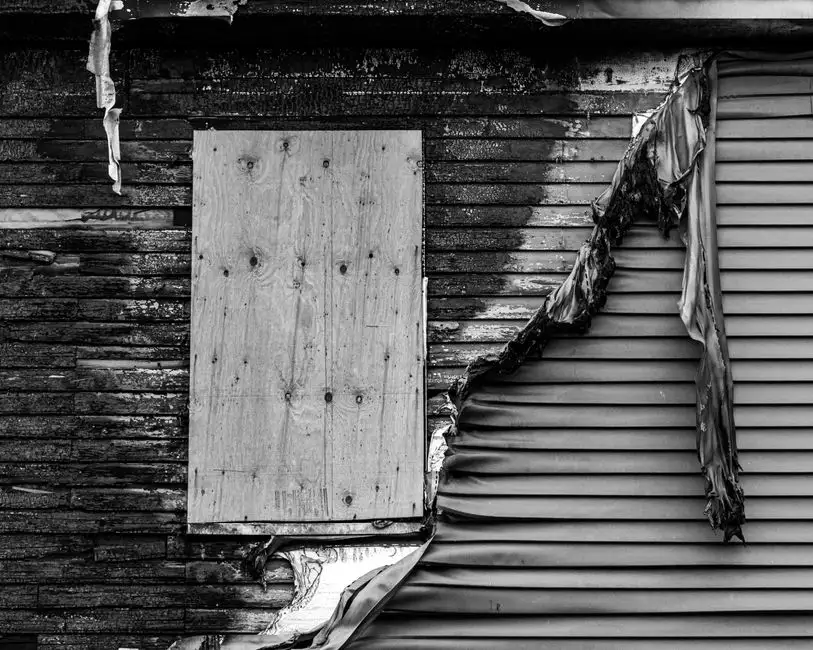
Hoarding cleanup after fire in LA JOLLA, California is a specialized restoration category that combines fire damage mitigation with high-volume debris removal, odor control, and salvage sorting. When a fire starts in a hoarded home, the fuel load is heavier, the smoke travels farther, and the firefighting water soaks into stacked materials that hold moisture for weeks. Our crews use thermal imaging cameras and moisture meters to map hidden damage, then remove charred debris, soot-covered contents, and waterlogged materials before mold sets in.
Local conditions make this harder than it looks. La Jolla's marine air pushes smoke odor into closets and crawlspaces, and older homes near Windansea Beach often have single-pane windows and unsealed attic hatches that let soot travel through the whole structure. If you search for hoarding cleanup after fire near me LA JOLLA California, you need a crew that can work fast, sort belongings respectfully, and document everything for your insurance claim.
Every hoarding cleanup after fire in LA JOLLA, California starts with a written scope so you know exactly what is covered. The core service covers debris removal, soot cleaning, odor treatment, and documentation. Structural repairs and contents storage are quoted separately once the structure is assessed.
Charred debris, soot-covered contents, and waterlogged materials are removed, bagged, and hauled. We use negative air machines and HEPA vacuums during removal to keep ash from spreading through the house. Volume is logged by category for your adjuster.
Every item is photographed and sorted into keep, clean, and dispose categories. Families are invited to review the keep pile before anything leaves the property. Documents, photos, and valuables are set aside first.
Walls, ceilings, framing, and windows get soot sponges, degreaser, and HEPA vacuuming. Smoke-stained surfaces are treated with Fiberlock-approved products. This is the step that removes the visible residue and the source of most odor.
Hydroxyl generators, ozone generators, and thermal fogger solution treat cavities and porous materials. Charcoal odor absorbers stay in closets and cabinets through the final walkthrough. Treatment typically runs 24 to 72 hours.
Industrial dehumidifiers and air movers dry water damage from firefighting efforts. Moisture meter readings are recorded before we close out, and air quality is verified so you are not handed back a damp structure that grows mold in a month.
We arrive, secure the property, and assess structural stability before anyone enters. Thermal imaging cameras and moisture meters map hidden heat and water damage. You get a written scope and a start time the same day, usually within 60 to 90 minutes of your call.
Crews in full PPE clear charred debris, soot-covered contents, and waterlogged materials. We use negative air machines and HEPA vacuums to keep ash from spreading. A typical single-family hoarded home takes two to five days to clear, depending on volume and access.
Walls, ceilings, and framing get soot sponges, degreaser, and HEPA vacuuming. Smoke-stained windows and surfaces are cleaned with Fiberlock-approved products. This is the step that decides whether the house smells clean or keeps smelling like a fire six months later.
We set hydroxyl generators and air scrubbers for 24 to 72 hours, depending on square footage and smoke penetration. Thermal fogger solution reaches cavities that wiping cannot. Charcoal odor absorbers stay in closets and cabinets until the final walkthrough.
You walk the property with our lead technician. We review the photo log, the contents inventory, and the moisture readings. If structural repair after fire is needed, we hand off a clean, dry, documented structure to the rebuild crew.
Purpose-built equipment, used by trained technicians — so the job is done accurately the first time.
Finds hidden heat sources and moisture behind walls and under debris piles before anyone starts pulling materials.
Records readings in framing, drywall, and subfloor so we know when the structure is actually dry, not just dry to the touch.
Captures fine ash and soot particles during removal so they do not redistribute through the house or into the HVAC system.
Treat smoke odor in occupied and unoccupied spaces. Hydroxyl runs safely around people; ozone is used in sealed spaces.
Creates pressure differentials that keep soot and ash contained to the work area during debris removal.
Dries water damage from firefighting efforts before mold growth after fire suppression becomes a second loss.
Opens blocked doorways and exposes charred framing for documentation and repair scoping.
A kitchen fire started on a covered stovetop and spread smoke through 1,400 square feet of a hoarded La Jolla Village home. Counters, floors, and the hallway were packed with stored items. Soot covered every surface and the smell was overpowering.
Crews cleared 6 tons of debris in four days, cleaned soot from walls and ceilings, and ran hydroxyl treatment for 72 hours. Moisture readings confirmed the structure was dry. The kitchen was ready for cabinet replacement on day six.
An overloaded circuit in a hoarded Bird Rock rental sparked a fire that charred a bedroom wall and melted wiring. The tenant's belongings blocked egress, and the landlord needed documentation that separated tenant contents from structure damage.
We produced a categorized contents inventory, isolated the damaged circuit, and cleared the unit in five days. The landlord's claim was approved without a dispute, and the unit was re-leased after electrical repairs.
Stored boxes and paper in a Windansea Beach attic fed a fire that charred framing and roofing shingles. Smoke traveled down through an unsealed attic hatch and stained ceilings throughout the home.
Attic debris was removed, charred framing documented, and the whole house treated with air scrubbers and thermal fogger solution. Ceilings were cleaned and sealed. The roofing repair scope was ready for the C-39 licensed crew on day eight.
Hoarded homes fail differently after a fire. The problems below are the ones we see most often when called for professional hoarding cleanup after fire near me LA JOLLA, and each one has a specific fix.
Ask a pro →We remove the source, then treat with hydroxyl generators, ozone, and thermal fogger solution. Charcoal odor absorbers stay in place until readings confirm the odor is gone.
Thermal imaging cameras and pry bars let us expose and photograph framing damage. We document it in Xactimate format and hand off a code-correct repair scope.
We extract water, remove saturated materials, and run industrial dehumidifiers and air movers. Moisture meter readings are recorded daily until the structure is dry.
We isolate the HVAC system, clean ductwork, and run air scrubbers during the job. The system is verified before we close out the cleanup.
Most hoarding cleanup after fire jobs in LA JOLLA run $3,500 to $18,000 in 2026, depending on square footage, debris volume, and smoke penetration. A single-room fire in a heavily hoarded home typically lands near the lower end; a whole-house loss with structural damage pushes toward the top. We provide a written scope before work starts so you know the number up front.
Fire Damage Restoration La Jolla handles hoarder fire cleanup across La Jolla Village, Bird Rock, Windansea Beach, and Mount Soledad. Our crews are IICRC FSRT and OCT certified and licensed under California CSLB B-General Building. Call (833) 929-6186 and a technician, not a call center, will schedule your assessment.
A typical hoarded single-family home takes three to seven days from debris removal through final odor treatment. Small jobs clear in two days; large homes with attic or crawlspace involvement can run ten days. We give you a day-by-day schedule at the assessment so you can plan around it.
Yes, most homeowner policies cover fire-related debris removal and contents cleanup, including hoarded materials, because the loss is fire-caused. Coverage depends on your policy limits and whether the home was occupied. We document every item removed in Xactimate format and work directly with your adjuster to support the claim.
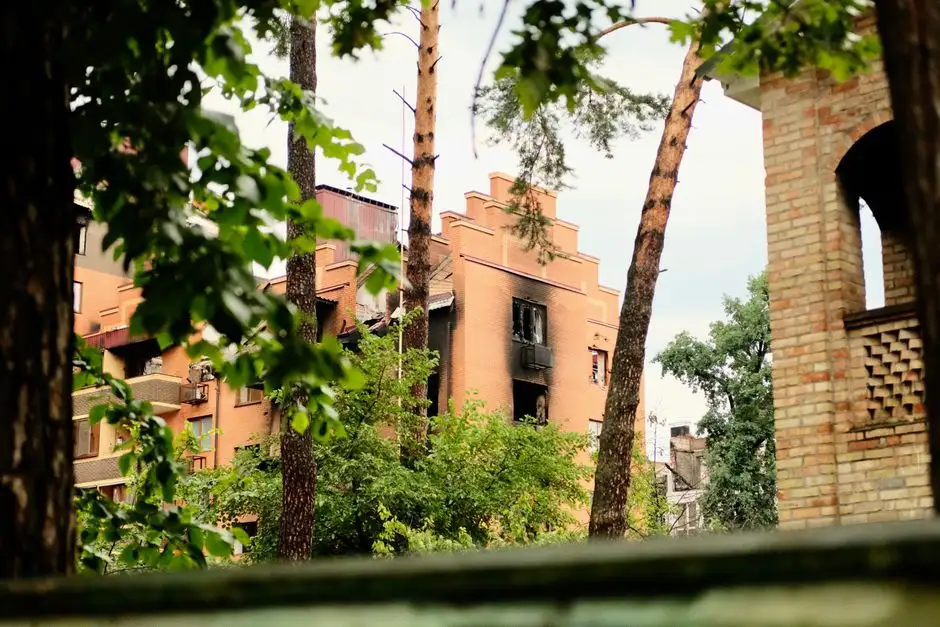 Smoke Damage RestorationSmoke travels farther in a hoarded home because there is more fuel and more surface area. We pair hoarding cleanup with full smoke damage restoration so walls, ceilings, and framing are treated, not just cleared.Explore →
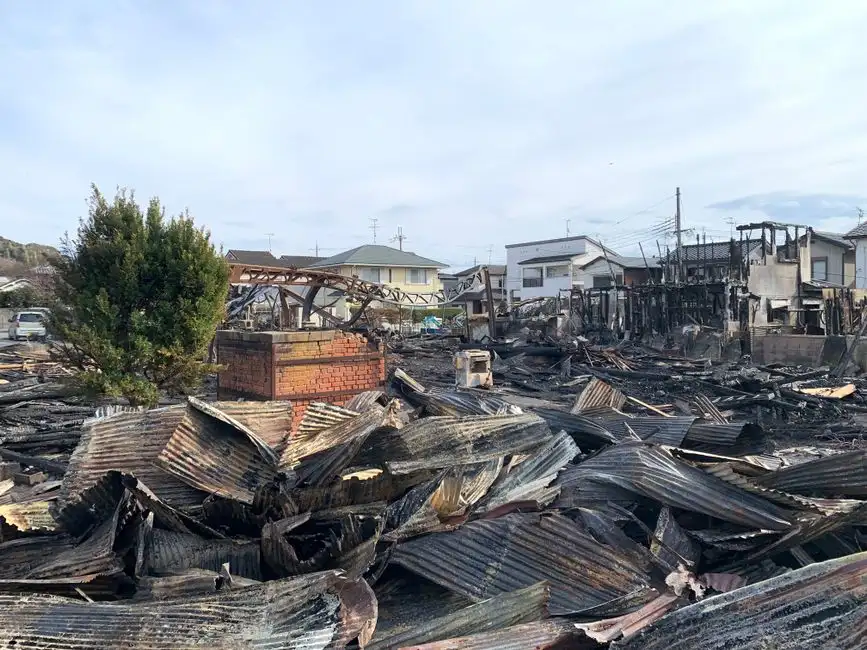 Fire Damage Clean UpOnce debris is out, fire damage clean up removes char, ash, and soot residue from structural surfaces. This is the step that makes a hoarded home safe to enter without PPE and ready for repair estimates.Explore →
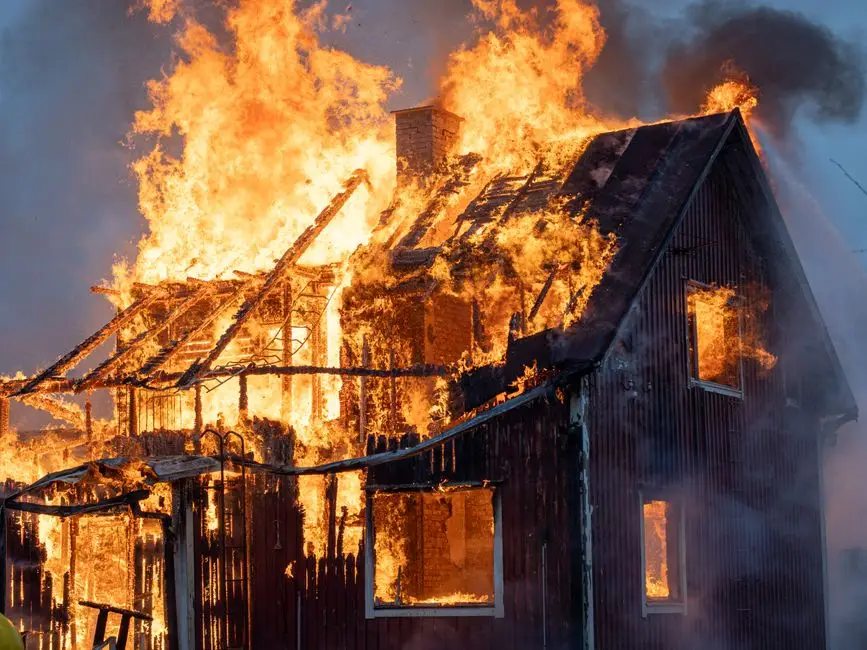 Emergency Fire Damage RestorationIf the fire just happened, emergency fire damage restoration stabilizes the property first: board-up, water extraction, and hazard control. We then transition into hoarder fire cleanup once the structure is secure.Explore →
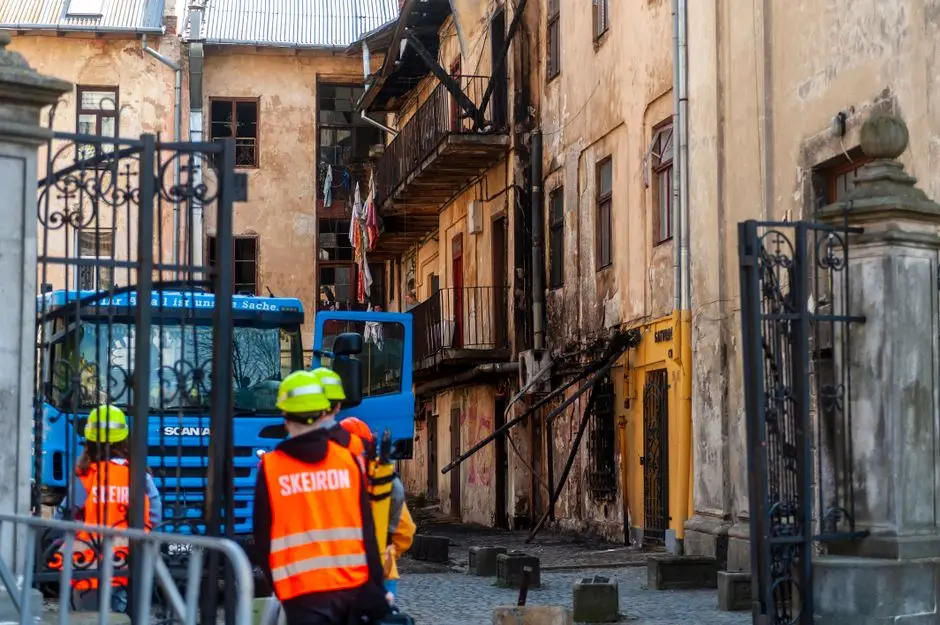 Structural Repair After FireCharred framing, damaged drywall, and compromised roofing shingles get repaired under California Building Code (CBC) standards. We hand off a documented, dry structure so the rebuild crew starts from a known condition.Explore →
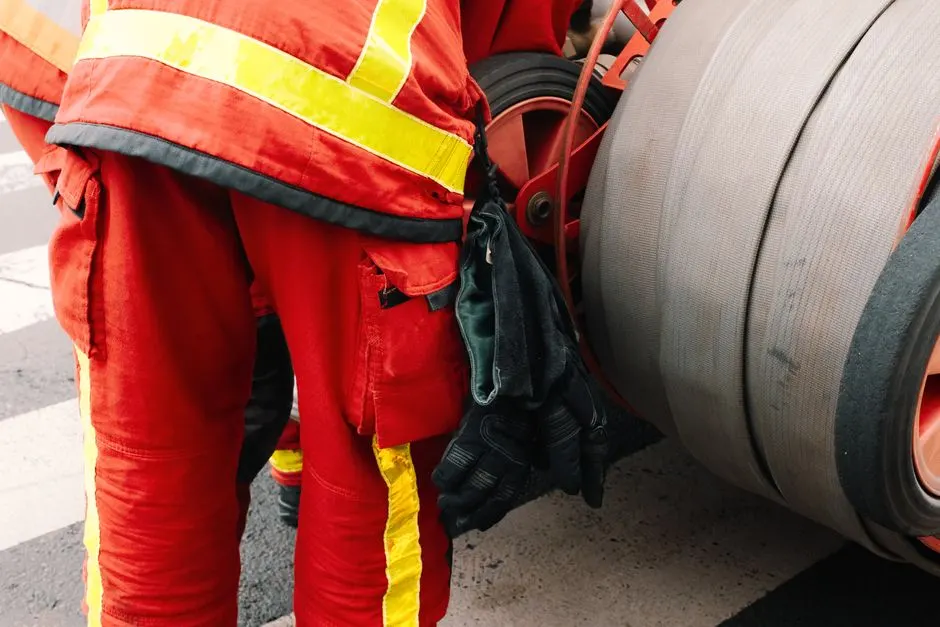 Odor Removal After FireSmoke odor lingering after fire in a hoarded home needs source removal, not masking. We use hydroxyl generators, ozone, and thermal fogger solution to treat cavities that wiping cannot reach.Explore →
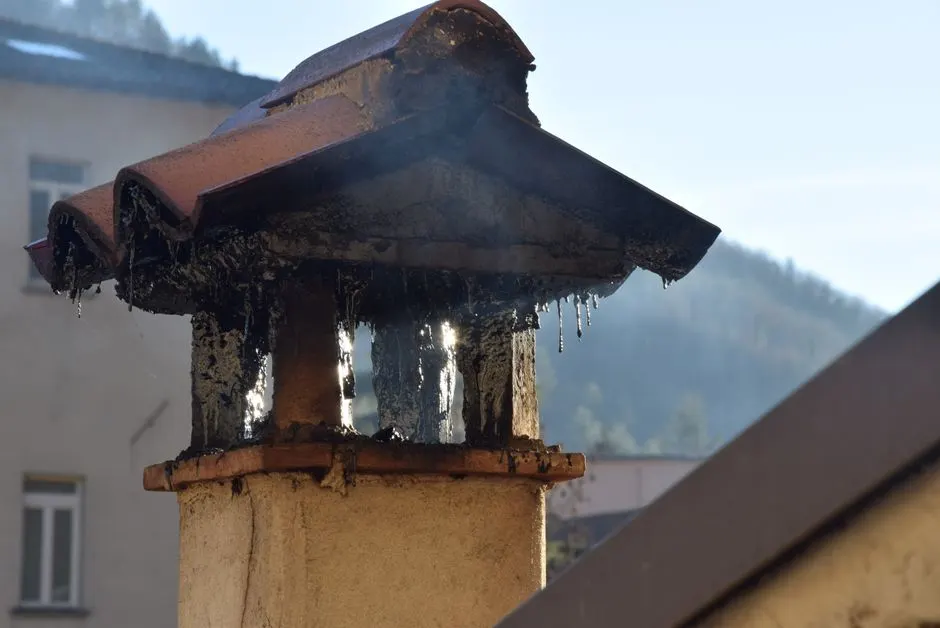 Soot RemovalSoot residue on walls and ceilings bonds quickly to porous surfaces. Our soot removal step uses soot sponges, HEPA vacuums, and degreaser to pull residue without smearing it deeper into drywall.Explore →
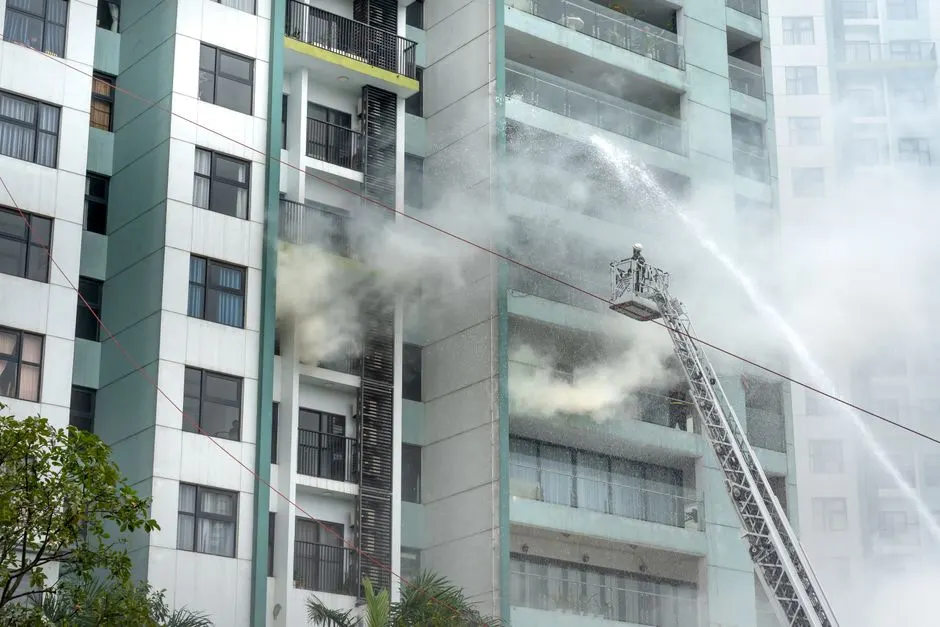 Smoke RemediationSmoke remediation covers the air side of the job: air scrubbers, negative air machines, and HVAC cleaning. Ash infiltration in the HVAC system is common in hoarded homes and gets addressed before we close out.Explore →
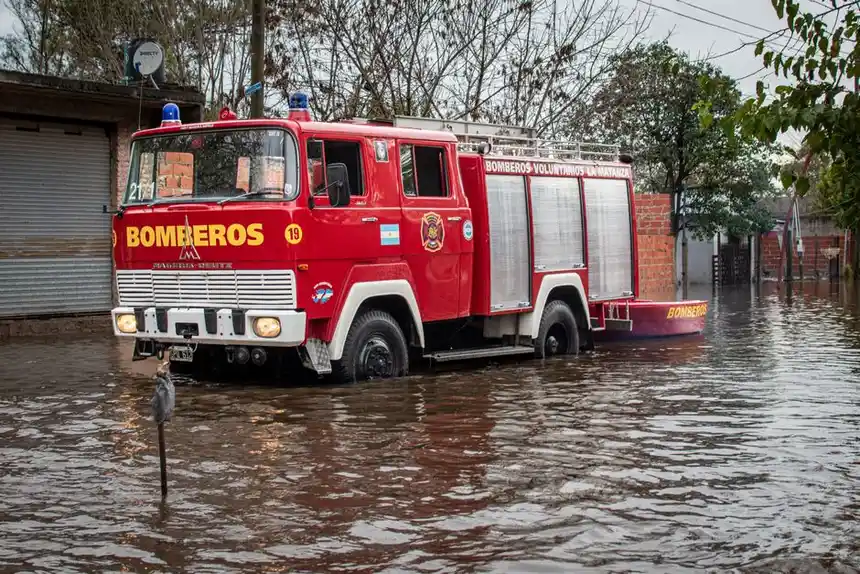 Fire and Flood RestorationFirefighting water soaks into stacked materials and stays there. Fire and flood restoration handles the water damage from firefighting efforts alongside the fire damage, which prevents mold growth after fire suppression.Explore →
One call gets a certified crew moving. We answer 24/7, give you a written scope before work starts, and document every item for your adjuster. Call (833) 929-6186 now and we will schedule your assessment today.
Call Now (833) 929-6186 →Call (833) 929-6186 any hour for emergency fire damage restoration in LA JOLLA. We answer 24/7, dispatch same-day for board-up and water extraction, and schedule inspections within one business day for non-emergency scopes. Leave a message after hours and we call back within 30 minutes.